
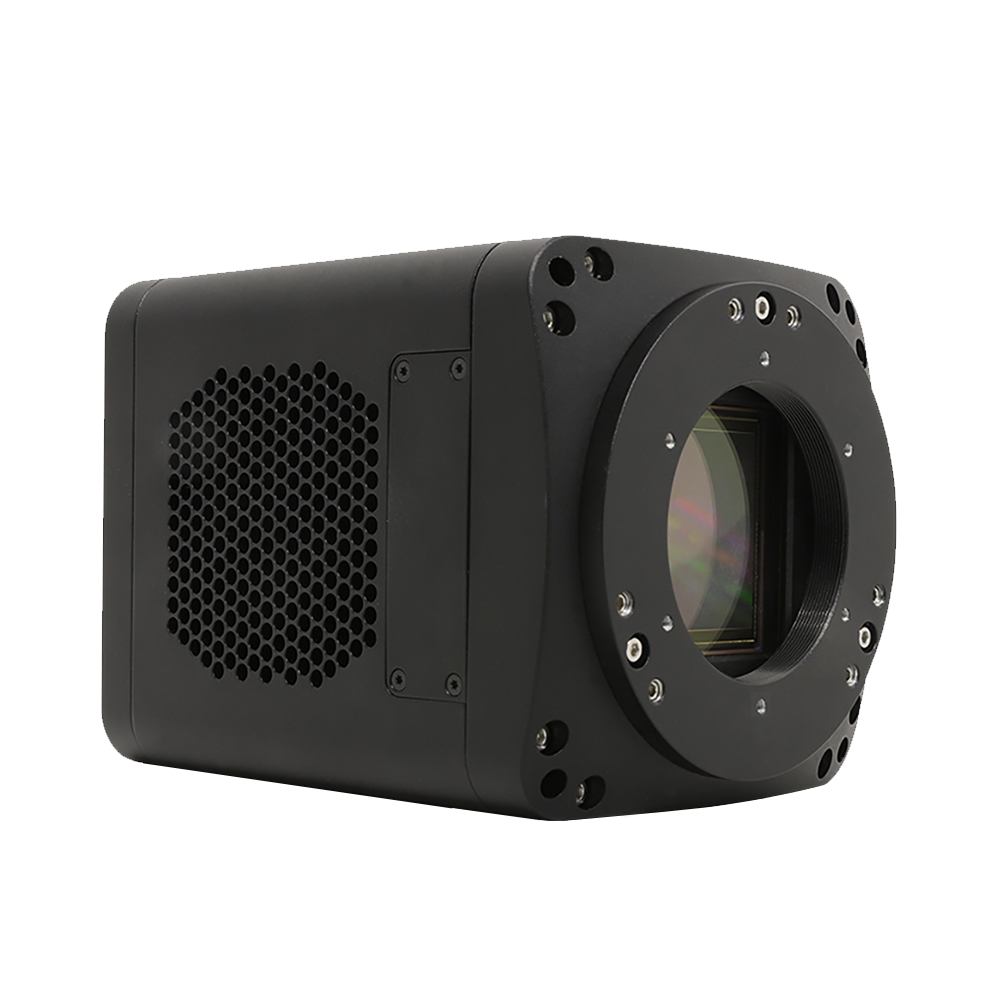
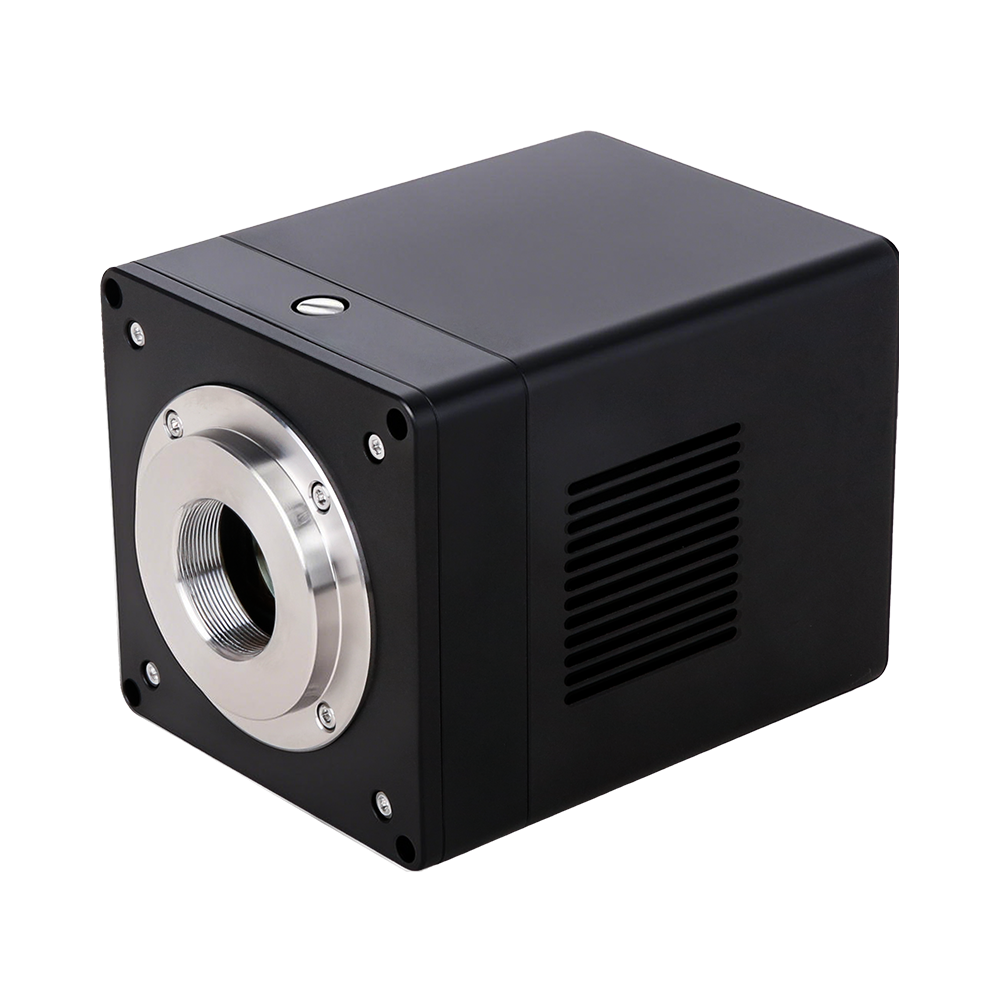
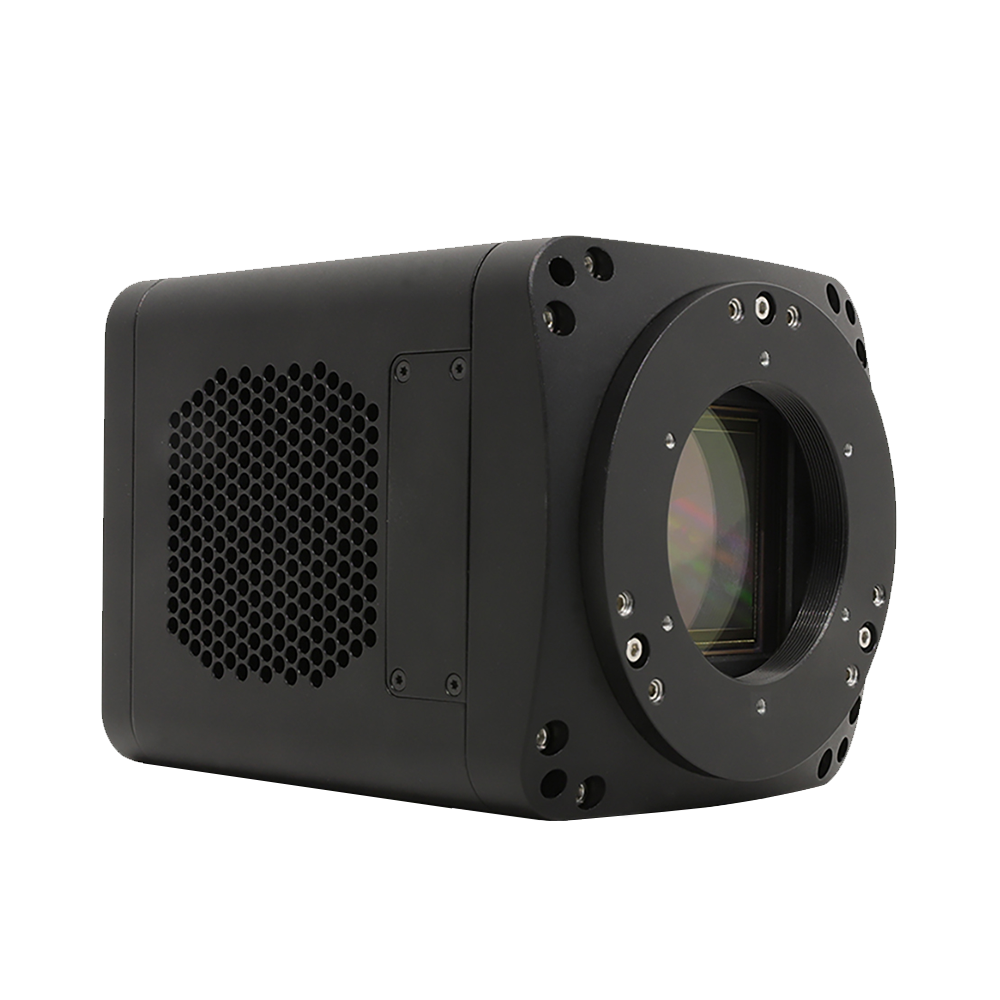
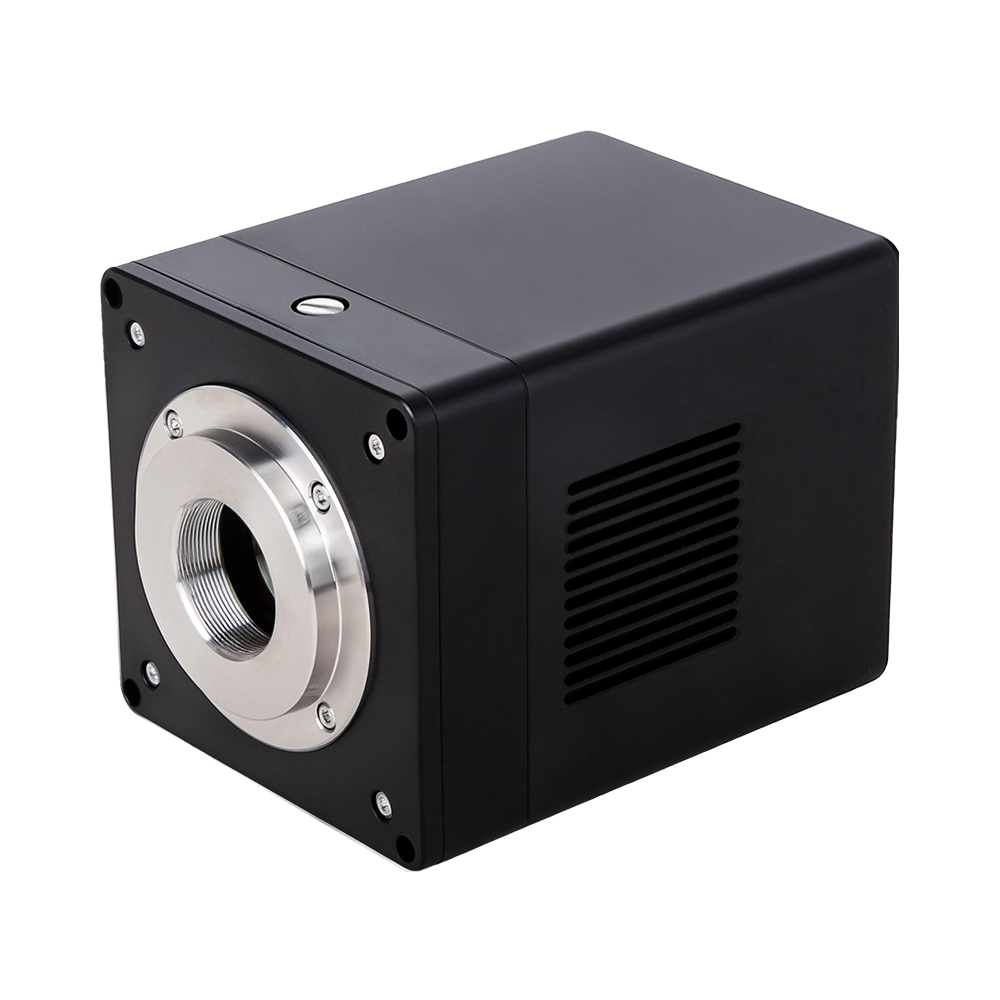
SS Series (R&D)
Product Introduction
The SS series uses GSPRINT4521, GSPRINT4510, and GSPRINT4502 high-speed global-shutter CMOS image sensors, covering 2.5–21 MP resolution, 4.5 µm pixels, and a 300–1000 nm spectral range. The global shutter reduces motion distortion and image smear in dynamic capture and high-speed motion analysis.
The six models are offered in color and monochrome pairs. The SS21 models support up to 190 fps at 5120×4096 and 733 fps at 2560×2016; the SS10 models support up to 397 fps at 4608×2176 and 1401 fps at 2304×1088; the SS02 models support up to 1564 fps at 2048×1216 and 5394 fps at 1024×608.
USB3.0 and CoaXPress (CXP) interfaces, a 1024 MB (8 Gb) image buffer, 8/10/12-bit output, software 2×2/3×3/4×4 binning, and hardware FPGA 2×2 binning support high-throughput acquisition. Trigger and synchronization functions enable connection with external equipment. TEC cooling provides a 40 °C differential below ambient. SDK, ToupView, and CLView software based on a Delsa acquisition card are provided for image acquisition and system integration.
Product Features
- Equipped with GSPRINT4521/4510/4502 high-speed global shutter CMOS image sensors
- Resolution coverage from 2048×1216 to 5120×4096 (2.5–21 MP)
- Pixel size 4.5 µm, sensor diagonal from 0.67" to 1.86"
- Spectral response range from 300–1000 nm
- Global shutter suppresses motion distortion, suitable for high-speed inspection and scientific imaging
- Frame rates up to 5394 fps @ 1024×608
- Software 2×2/3×3/4×4 and hardware FPGA 2×2 binning
- USB3.0 and CoaXPress (CXP) interfaces for high-bandwidth acquisition
- Built-in 1024 MB (8 Gb) image buffer
- 8/10/12-bit image data formats
- Trigger modes: Free-running, software trigger, external hardware trigger; supports multi-device timing synchronization
- Rich I/O (model-dependent): Opto-isolated input/output and programmable GPIO for production line/experimental equipment integration
- TEC cooling provides a 40 °C differential below ambient
- 19 V adapter power supply and power consumption below 25 W
- Operating range from −30 °C to +60 °C at 20%–80% RH (non-condensing)
- SDK, ToupView, and CLView software based on a Delsa acquisition card
Product Models
SS Series | GSPRINT Global-Shutter High-Speed CMOS Cameras | 2.5–21 MP | USB3/CXP | Up to 5394 fps
| Model | Sensor / Size | Resolution | Pixel Size | Shutter | Frame Rate | Interface | Dynamic Range |
Action |
|---|---|---|---|---|---|---|---|---|
| SS21MPA-U3-CXP |
GSPRINT4521-AVC (sCMOS)
1.86" (29.51 mm) | 23.04 mm × 18.432 mm
|
21.0 MP (5120×4096) | 4.5 µm × 4.5 µm | Global Shutter |
190 fps @ 5120×4096
733 fps @ 2560×2016
|
USB3.0/CXP |
65 dB @ 12-bit
|
View Details |
| SS21MMA-U3-CXP |
GSPRINT4521-AVM (sCMOS)
1.86" (29.51 mm) | 23.04 mm × 18.432 mm
|
21.0 MP (5120×4096) | 4.5 µm × 4.5 µm | Global Shutter |
190 fps @ 5120×4096
733 fps @ 2560×2016
|
USB3.0/CXP |
65 dB @ 12-bit
|
View Details |
| SS10MPA-U3-CXP |
GSPRINT4510-AVC (sCMOS)
1.44" (22.93 mm) | 20.736 mm × 9.792 mm
|
10.0 MP (4608×2176) | 4.5 µm × 4.5 µm | Global Shutter |
397 fps @ 4608×2176
1401 fps @ 2304×1088
|
USB3.0/CXP |
68 dB @ 12-bit
|
View Details |
| SS10MMA-U3-CXP |
GSPRINT4510-AVM (sCMOS)
1.44" (22.93 mm) | 20.736 mm × 9.792 mm
|
10.0 MP (4608×2176) | 4.5 µm × 4.5 µm | Global Shutter |
397 fps @ 4608×2176
1401 fps @ 2304×1088
|
USB3.0/CXP |
68 dB @ 12-bit
|
View Details |
| SS02MPA-U3-CXP |
GSPRINT4502-AVC (sCMOS)
0.67" (10.71 mm) | 9.21 mm × 5.47 mm
|
2.5 MP (2048×1216) | 4.5 µm × 4.5 µm | Global Shutter |
1564 fps @ 2048×1216
5394 fps @ 1024×608
|
USB3.0/CXP |
68.2 dB @ 12-bit
|
View Details |
| SS02MMA-U3-CXP |
GSPRINT4502-AVM (sCMOS)
0.67" (10.71 mm) | 9.21 mm × 5.47 mm
|
2.5 MP (2048×1216) | 4.5 µm × 4.5 µm | Global Shutter |
1564 fps @ 2048×1216
5394 fps @ 1024×608
|
USB3.0/CXP |
68.2 dB @ 12-bit
|
View Details |
Frequently Asked Questions
Learn more about scientific CMOS cameras
- Ultra-low read noise: sCMOS read noise approaches 1 e⁻, far outperforming traditional CCDs.
- High frame rate: Parallel readout architecture supports 100 fps or higher.
- Wide dynamic range: Captures bright and dark regions simultaneously with ratios up to tens of thousands to one.
- Large field of view and high resolution: Suits high-resolution, wide-field imaging.
EMCCD cameras excel in ultra-low light or long-exposure conditions.
sCMOS delivers greater value for high-resolution, high-speed imaging with low noise.
In-Depth Product Overview
sCMOS Sensor Architecture
Each pixel has its own amplifier and column ADC for parallel readout, enabling high-speed, high-SNR imaging. Dual gain channels and dual ADC designs further expand dynamic range and sensitivity.
Low Noise + Wide Dynamic Range
Typical sCMOS noise is < 2 e⁻ (30 fps) with dynamic range up to 50,000:1—far exceeding traditional CCDs.
Fast Readout & Versatility
Parallel readout supports >100 fps for capturing fast events such as cell motion, fluorescence lifetime studies, and plasma dynamics.
Low-Light Performance
Back-illuminated sCMOS sensors achieve >95% QE from UV to NIR, with low fixed-pattern noise and cooling down to −30 °C for astronomy and other needs.
Application Scenarios & System Value
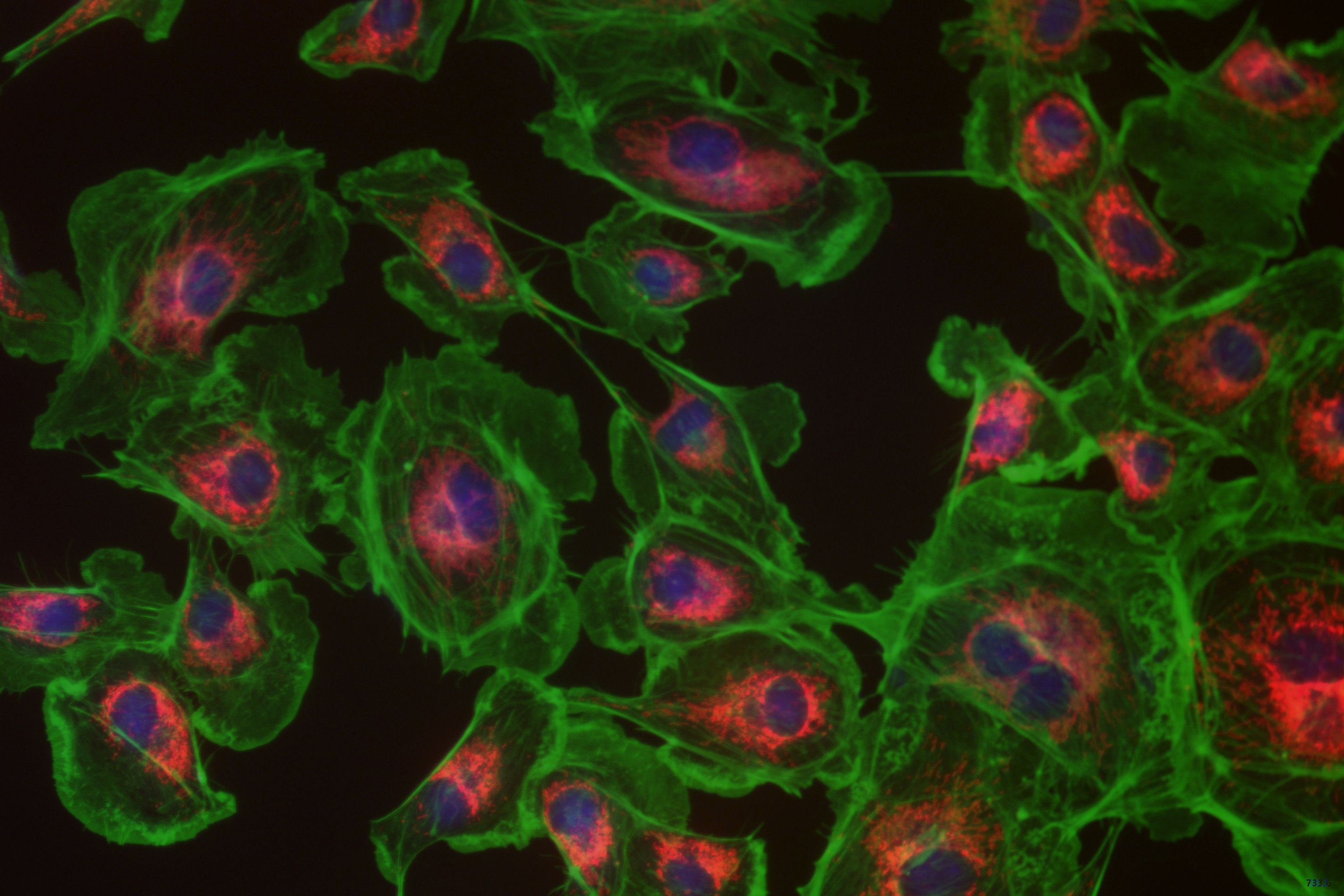
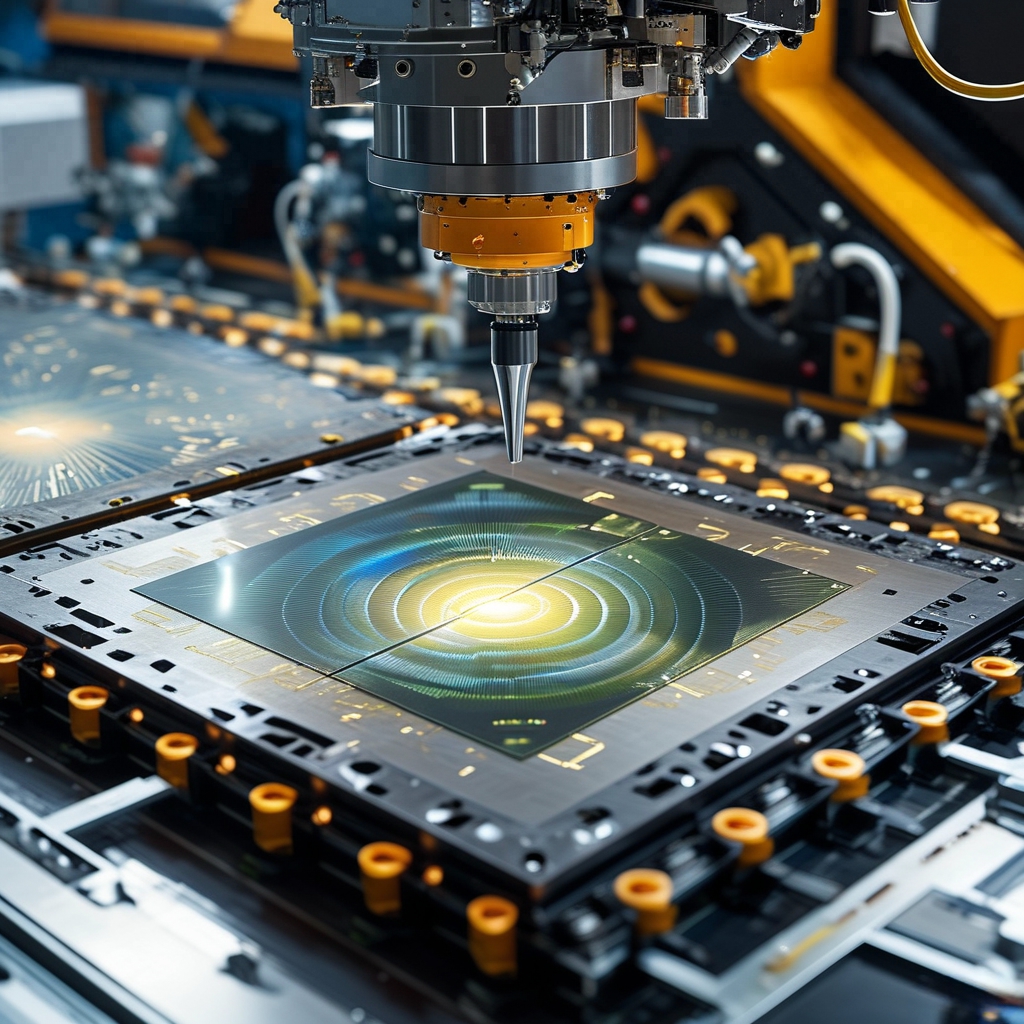
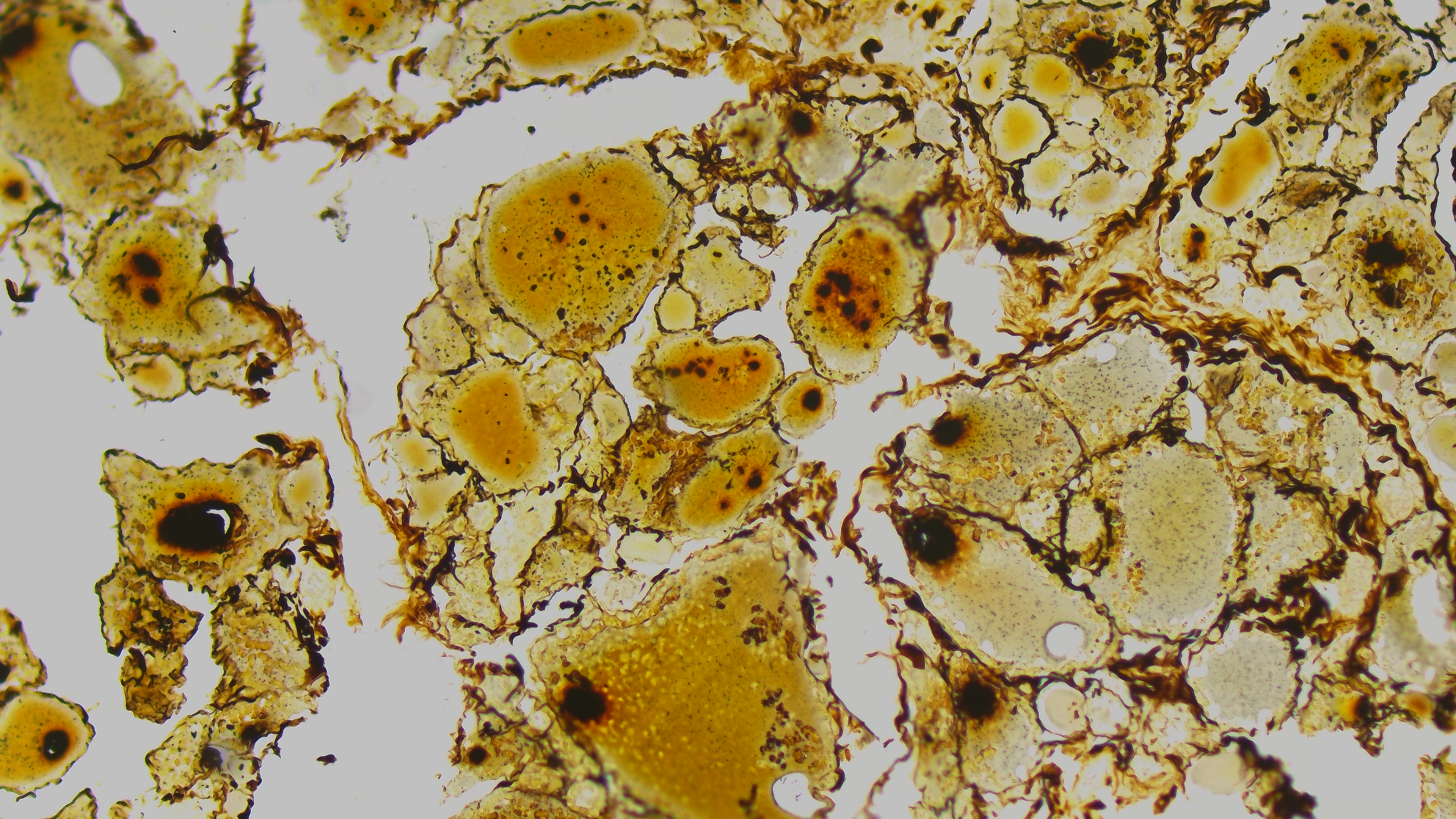
Ideal for fluorescence microscopy, astronomy, cold atom research, X-ray imaging, materials inspection, and industrial microscopy—delivering high sensitivity, precision, and adaptability.
Key Application Areas
Representative sCMOS applications



sCMOS Technology Advantages Summary
- Ultra-low read noise (<2 e⁻)
- High frame rate (>100 fps)
- Wide dynamic range (50,000:1)
- High quantum efficiency (>95%)
- Large FOV, high resolution
- Cooling capability (−30 °C)
- Parallel readout architecture
- Adaptable to diverse research needs